
Favorite Products For Easy And Effective Bathtub Installations
Choose from trusted tools and components that make your bathtub installation straightforward and reliable.
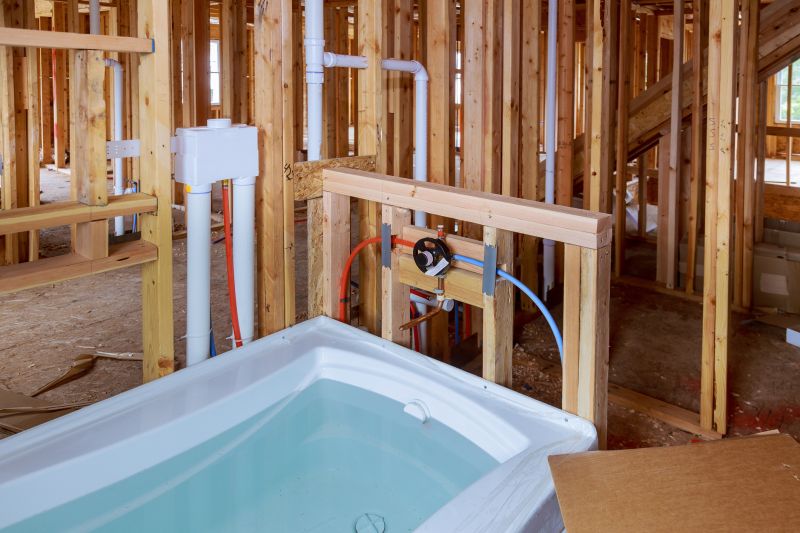 Installing a bathtub involves selecting the right products to ensure safety, durability, and functionality. The process typically begins with choosing a suitable bathtub unit that fits the space and meets the desired aesthetic. Bathtubs come in various materials such as acrylic, cast iron, fiberglass, and porcelain-enameled steel, each offering different benefits in terms of weight, maintenance, and heat retention. Proper installation also requires compatible fixtures, including faucets, drains, and overflow outlets, which must be selected based on the tub's design and the plumbing setup.
Top Overall Option
Acrylic Bathtub Unit
An acrylic bathtub unit offers a lightweight yet durable option that is easy to install and maintain. Its smooth surface resists staining and is comfortable to the touch, making it a popular choice for many bathroom renovations. Acrylic tubs are available in a variety of sizes and shapes, providing versatility for different bathroom layouts. Their excellent heat retention helps maintain water temperature, enhancing the bathing experience. When paired with suitable fixtures and accessories, an acrylic bathtub can serve as a reliable centerpiece for your bathroom setup.
Types of Products For Bathtub Installations
Bathtub Faucets
Faucets come in various styles and configurations, including deck-mounted, wall-mounted, and freestanding options, to complement different bathtub types and bathroom designs.
Drain Assemblies
Drain assemblies ensure proper water flow and prevent leaks, available in different sizes and finishes to match your plumbing and aesthetic preferences.
Overflow Covers
Overflow covers help prevent overfilling and water damage, with designs that coordinate with faucet styles and overall bathroom decor.
Sealants and Waterproofing
Specialized sealants and waterproofing compounds are essential for creating watertight seals around the tub and fixtures, protecting against leaks and water damage.
Support and Leveling Kits
Support brackets, adjustable feet, and leveling kits help ensure the bathtub sits securely and evenly on uneven surfaces during installation.
Bathtub Surrounds
Surround panels provide a finished look and additional waterproofing around the bathtub, available in various materials and designs.
Shower Doors and Curtains
Depending on the installation, shower doors or curtains can be added to contain water and enhance privacy and style.
Cleaning and Maintenance Products
Specialized cleaners and maintenance tools help keep the bathtub and fixtures in optimal condition over time.
Grab Bars and Safety Accessories
Safety accessories like grab bars and non-slip mats improve accessibility and safety for all users.
Tub Liners and Refinishing Kits
Liners and refinishing kits offer options for updating or restoring the appearance of existing tubs without full replacement.
Popular Choices
Acrylic tubs are frequently chosen for their lightweight nature and ease of installation, with many options available for different sizes and styles.
Freestanding designs add a stylish focal point to bathrooms and are often selected for their versatility and aesthetic appeal.
Corner models maximize space efficiency and are popular in smaller bathrooms or for creating a luxurious bathing area.
Deep soaking tubs are favored for their comfort and ability to provide a relaxing bath experience.
Jetted tubs include built-in jets for hydrotherapy, often chosen for their spa-like features and therapeutic benefits.
Clawfoot designs offer a vintage aesthetic and are popular in both traditional and modern bathroom settings.
Alcove tubs fit into three-wall alcoves and are common in standard bathroom layouts, offering practicality and space efficiency.
Drop-in bathtubs are installed into a custom surround or deck, providing a seamless look and customizable design.
Walk-in tubs feature doors for easy access, making them suitable for users with mobility concerns.
Combination units allow for both bathing and showering in a single space, offering versatility.
In addition to the bathtub itself, supporting accessories and components play a crucial role in a successful installation. These include waterproof sealants, mounting brackets, and adjustable feet or bases that help level the tub on uneven surfaces. For those replacing an existing tub, it is essential to consider the compatibility of new products with existing plumbing and space constraints. Proper planning and selection of the right products can help prevent leaks, ensure stability, and facilitate future maintenance.
When installing a bathtub, safety features such as slip-resistant surfaces and grab bars are important considerations, especially in homes with children or elderly residents. Many modern tubs come with integrated safety features or are designed to accommodate additional accessories. Ensuring proper ventilation and adequate waterproofing around the installation area can also contribute to a longer-lasting setup. Whether undertaking a full remodel or a simple replacement, choosing quality products and components tailored to your specific needs is key to achieving a successful and satisfying installation experience.
Key Buying Considerations
- Assess the available space and measure the area where the bathtub will be installed to ensure proper fit.
- Determine the preferred material based on durability, maintenance, and aesthetic preferences.
- Consider the type of installation—whether it’s an alcove, drop-in, freestanding, or corner model.
- Evaluate the compatibility of fixtures such as faucets, drains, and overflow outlets with the chosen bathtub.
- Think about safety features like slip-resistant surfaces and accessibility options for all users.
- Review the water capacity and depth of the tub to match comfort and usage needs.
- Check for the ease of cleaning and maintenance requirements for the selected product.
- Consider the style and design to match the overall bathroom decor and personal taste.
- Research the installation process and whether professional help is recommended or required.
- Look into warranty and support options offered by the manufacturer or supplier.
- Budget for additional components such as surrounds, support kits, and safety accessories.
- Ensure proper waterproofing and sealing materials are available for a leak-free setup.
- Evaluate the energy efficiency of features like insulation and heating elements if applicable.
- Verify local plumbing codes and regulations to ensure compliance during installation.
- Read customer reviews and ratings to gauge real-world performance and satisfaction.